
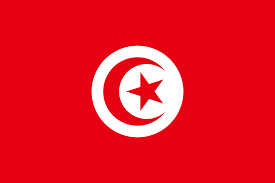
TUNISIA
Travel Risk Guide
Tunisia Travel Risk Guide
Introduction
Tunisia is a North African country bordered by Algeria and Libya, with a coastline along the Mediterranean Sea. It is known for its historic medinas, Roman archaeological sites, Sahara Desert landscapes, beach resorts, and well-developed tourism industry. Key cities include Tunis, Sfax, Sousse, Hammamet, Monastir, and Djerba.
In 2026, Tunisia presents a low to moderate travel risk environment, with most tourist destinations and business centres operating normally. Key risks include petty crime, terrorism concerns in remote border regions, road safety issues, occasional demonstrations, and extreme heat during the summer months.
Country Overview
Capital: Tunis
Key Cities: Tunis, Sfax, Sousse, Hammamet, Monastir, Djerba
Population: ~13 million
Language: Arabic (French widely spoken)
Currency: Tunisian Dinar (TND)
Region: North Africa
Tunisia remains one of North Africa's leading tourism destinations and an important regional commercial and transport hub.
Travel & Entry
Passports
A valid passport is required for entry.
Visas
Many nationalities can enter visa-free for short stays
Visa requirements vary depending on nationality
Entry requirements should be confirmed before departure
Entry Considerations
Main gateways: Tunis-Carthage International Airport, Enfidha-Hammamet International Airport, Monastir Habib Bourguiba International Airport, and Djerba-Zarzis International Airport
Strong international connectivity with Europe, Africa, and the Middle East
Ferry services connect Tunisia with southern Europe
Immigration procedures are generally efficient
Local Travel
Road Travel
Well-developed motorway network links major cities
Rural roads vary in quality
Driving standards can be inconsistent
Traffic congestion is common in Tunis
Public Transport
Rail services connect major urban centres
Buses, taxis, and shared transport are widely available
Public transport is generally reliable
Ride-hailing services operate in some areas
Air Travel
Domestic flights connect Tunis with southern regions and Djerba
Modern airport infrastructure supports tourism and business travel
International connectivity is well established
Travel Risk Overview
Crime
Tunisia is a low to moderate crime-risk destination.
Petty theft and pickpocketing occur in tourist areas and crowded public spaces
Tourist scams may occur in popular destinations
Violent crime against foreign visitors is relatively uncommon
Standard precautions are generally sufficient
Security Environment
Security conditions are generally stable.
Key points:
Major cities and tourist destinations maintain a strong security presence
Remote border areas with Algeria and Libya present elevated security risks
Counterterrorism measures remain robust
Most business and tourism travel occurs without incident
Civil Unrest
Demonstrations and labour protests occasionally occur
Political gatherings can disrupt transportation and public services
Most protests remain localized
Travellers should avoid active demonstration areas
Infrastructure & Health
Infrastructure is generally well developed.
Good healthcare facilities available in Tunis and other major cities
Private healthcare offers higher standards of care
Reliable telecommunications and utilities in urban areas
More limited services in remote southern regions
Key considerations:
Extreme heat during summer months
Road traffic accidents
Seasonal flooding in some coastal areas
Medical evacuation may be necessary for complex medical emergencies
Key Considerations
Exercise additional caution near remote border regions
Protect valuables in busy tourist areas
Stay hydrated during periods of extreme heat
Use licensed transportation providers
Monitor local developments and travel advisories
Maintain comprehensive travel and medical insurance
Is Tunisia Safe to Travel?
Tunisia is considered a low to moderate-risk travel destination.
Strengths include:
Well-developed tourism infrastructure
Stable conditions in major tourist areas
Strong transport connectivity
Rich cultural, historical, and coastal attractions
Good private healthcare in major cities
Primary risks include:
Petty crime
Road safety concerns
Localized demonstrations
Terrorism concerns near border regions
Extreme summer temperatures
Overall, Tunisia is assessed as a low to moderate-risk destination, suitable for tourism and business travel with sensible precautions and awareness of regional security conditions.
Access to Real-Time Information
This overview reflects baseline conditions. Real-time monitoring is recommended for:
Security developments in border areas
Demonstration and political activity
Weather and heat alerts
Transport disruptions
Public health advisories

Travelling to Sierra Leone and need support?
Global Traveller is a global travel assistance membership providing real-time travel risk monitoring, 24/7 operational support and direct access to on-the-ground assistance, designed for individuals and organisations operating in complex environments.