
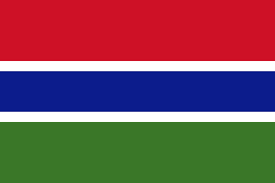
THE GAMBIA
Travel Risk Overview
The Gambia Travel Risk Overview
Introduction
The Gambia is the smallest country on mainland Africa, located in West Africa and almost entirely surrounded by Senegal, except for its Atlantic coastline. It is known for its beaches, wildlife, river tourism, and cultural heritage. Key urban centres include Banjul, Serekunda, Brikama, Bakau, and Farafenni.
In 2026, The Gambia presents a low travel risk environment, with generally stable conditions for tourism and business travel. Key risks include petty crime, road safety concerns, seasonal flooding, and limited healthcare infrastructure outside major urban areas.
Country Overview
Capital: Banjul
Key Cities: Banjul, Serekunda, Brikama, Bakau, Farafenni
Population: ~3 million
Language: English
Currency: Gambian Dalasi (GMD)
Region: West Africa
The Gambia is one of West Africa's most established leisure tourism destinations, particularly for European visitors.
Travel & Entry
Passports
A valid passport is required for entry.
Visas
Many nationalities can enter visa-free for tourism stays
Entry requirements vary by nationality
Proof of onward travel may be requested
Entry Considerations
Main gateway: Banjul International Airport
Direct connections available to regional and European destinations
Land crossings with Senegal are common
Immigration procedures are generally straightforward
Local Travel
Road Travel
Main roads around the coastal region are generally serviceable
Road conditions deteriorate in some rural areas
Driving standards vary
Night driving should be approached with caution
Public Transport
Shared taxis and minibuses widely available
Intercity transport connects major towns
Tourist transport infrastructure is well established
Service quality varies outside major tourist areas
Air Travel
Domestic air travel is limited
Most travel is conducted by road
International connectivity is centred on Banjul
Travel Risk Overview
Crime
The Gambia is a low crime-risk destination.
Petty theft and opportunistic crime can occur in tourist areas
Theft from unattended belongings is the most common issue
Violent crime affecting visitors is relatively uncommon
Basic precautions are generally sufficient
Security Environment
The Gambia is generally stable.
Key points:
No active internal conflict
Stable security environment
Security forces maintain effective control
Serious security incidents affecting visitors are uncommon
Civil Unrest
Demonstrations occasionally occur
Political gatherings are generally peaceful
Localized disruptions are possible
Travellers should avoid active protest areas
Infrastructure & Health
Infrastructure is developing:
Healthcare facilities available in Banjul and surrounding areas
Advanced medical treatment options are limited
Utilities generally reliable in major tourist zones
Rural areas have fewer services
Key considerations:
Seasonal flooding during rainy periods
Limited specialist healthcare
Medical evacuation may be required for serious conditions
Heat and humidity can affect travellers
Key Considerations
Protect valuables in tourist areas
Use trusted transportation providers
Stay hydrated in hot conditions
Monitor weather conditions during rainy season
Maintain comprehensive travel and medical insurance
Is The Gambia Safe to Travel?
The Gambia is considered a low-risk travel destination.
Strengths include:
Stable political environment
Low levels of serious crime
Established tourism infrastructure
Friendly and welcoming atmosphere
Primary risks include:
Petty theft
Road safety concerns
Seasonal flooding
Limited healthcare capacity
Overall, The Gambia is assessed as a low-risk destination, suitable for tourism and business travel with standard precautions.
Access to Real-Time Information
This overview reflects baseline conditions. Real-time monitoring is recommended for:
Weather and flooding alerts
Public health advisories
Transport disruptions
Demonstration activity
Border crossing updates with Senegal

Travelling and need additional support?
Global Traveller provides real-time travel risk monitoring, 24/7 operational support and direct access to on-the-ground assistance, designed for individuals and organisations operating in complex environments.