
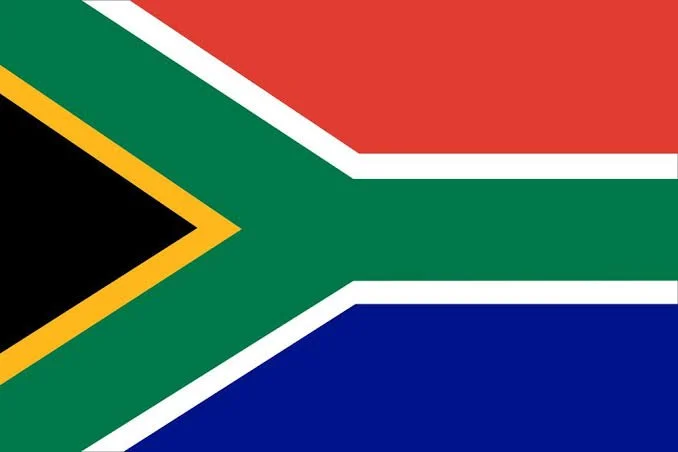
SOUTH AFRICA
Travel Risk Guide
South Africa Travel Risk Guide
Introduction
South Africa is the southernmost country in Africa, bordered by Namibia, Botswana, Zimbabwe, Mozambique, Eswatini, and surrounding Lesotho. It is known for its diverse landscapes, world-class wildlife reserves, vibrant cities, extensive transport network, and strong financial sector. Key cities include Johannesburg, Cape Town, Durban, Pretoria, Gqeberha (Port Elizabeth), and Bloemfontein.
In 2026, South Africa presents a moderate travel risk environment, with excellent tourism and business infrastructure but elevated security concerns in some areas. Key risks include violent crime, theft, carjacking, road safety concerns, civil unrest, and localized service disruptions.
Country Overview
Capital: Pretoria (administrative), Cape Town (legislative), Bloemfontein (judicial)
Key Cities: Johannesburg, Cape Town, Durban, Pretoria, Gqeberha, Bloemfontein
Population: ~64 million
Language: 12 official languages, including English, Zulu, Xhosa, and Afrikaans
Currency: South African Rand (ZAR)
Region: Southern Africa
South Africa is Africa's most industrialized economy and one of the continent's leading destinations for tourism, business, mining, finance, and international events.
Travel & Entry
Passports
A valid passport is required for entry.
Visas
Many nationalities can enter visa-free for short tourism or business visits
Visa requirements vary by nationality
Entry requirements should be confirmed before departure
Entry Considerations
Main gateways: O.R. Tambo International Airport (Johannesburg), Cape Town International Airport, King Shaka International Airport (Durban)
Excellent international and regional connectivity
Modern immigration and customs facilities
Land border crossings are widely used with neighbouring countries
Local Travel
Road Travel
Extensive and well-developed road network
High-quality motorways connect major cities
Driving standards vary considerably
Road traffic accidents remain a significant risk
Night driving outside urban centres should be approached with caution
Public Transport
Ride-hailing services are widely available in major cities
Bus and commuter rail services operate in metropolitan areas
Minibus taxis are widely used but may not always meet international safety standards
Rental vehicles are popular for tourism and business travel
Air Travel
Well-developed domestic aviation network
Frequent flights connect major cities
Modern airport infrastructure throughout the country
Air travel is commonly used for long-distance domestic travel
Travel Risk Overview
Crime
South Africa is a high crime-risk destination, despite having well-established tourism infrastructure.
Armed robbery, carjacking, burglary, and theft occur in urban areas
Petty crime is common in busy tourist locations
Visitors should remain vigilant when using ATMs, driving, or carrying valuables
Crime risks are generally higher after dark and in isolated areas
Security Environment
The overall security environment is stable.
Key points:
No active internal armed conflict
Strong law enforcement presence in major cities and tourist destinations
Security incidents are primarily criminal rather than politically motivated
Business and tourism activities continue nationwide
Civil Unrest
Demonstrations and labour protests occur periodically
Service delivery protests can disrupt roads and public transport
Localized unrest may develop with limited notice
Travellers should avoid protest areas and monitor local developments
Infrastructure & Health
South Africa has some of the most advanced infrastructure in Africa.
Excellent private healthcare facilities in major cities
Public healthcare quality varies
Reliable telecommunications and financial services
Utilities are generally good, although temporary electricity supply interruptions (load shedding) may occasionally occur
Key considerations:
Road traffic accidents remain a major risk
Seasonal flooding and wildfires may affect some regions
Medical evacuation is rarely required in major cities but may be necessary in remote areas
Sun exposure and dehydration can affect outdoor travellers
Key Considerations
Remain vigilant in busy urban and tourist areas
Avoid displaying valuables openly
Use reputable transport providers and ride-hailing services
Avoid travelling alone after dark in unfamiliar areas
Monitor local news for demonstrations and service disruptions
Maintain comprehensive travel and medical insurance
Is Sierra Leone Safe to Travel?
South Africa is considered a moderate-risk travel destination.
Strengths include:
World-class tourism infrastructure
Excellent domestic transport network
High-quality private healthcare
Outstanding wildlife, cultural, and adventure tourism
Strong business environment
Primary risks include:
Violent and opportunistic crime
Carjacking and theft
Road safety concerns
Localized demonstrations and service disruptions
Overall, South Africa is assessed as a moderate-risk destination, suitable for tourism and business travel provided travellers follow sensible security precautions, remain aware of their surroundings, and plan journeys carefully.
Access to Real-Time Information
This overview reflects baseline conditions. Real-time monitoring is recommended for:
Crime and security developments
Demonstration and protest activity
Severe weather and wildfire alerts
Transport disruptions
Public health advisories

Travelling to Sierra Leone and need support?
Global Traveller is a global travel assistance membership providing real-time travel risk monitoring, 24/7 operational support and direct access to on-the-ground assistance, designed for individuals and organisations operating in complex environments.