
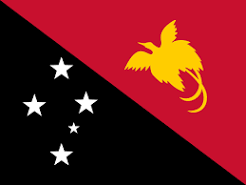
PAPUA NEW GUINEA
Travel Risk Guide
Papua New Guinea Travel Risk Guide
Introduction
Papua New Guinea (PNG) occupies the eastern half of the island of New Guinea and includes more than 600 offshore islands in the southwestern Pacific Ocean. It is renowned for its extraordinary cultural diversity, tropical rainforests, rugged mountain ranges, world-class diving, and rich biodiversity. Major cities include Port Moresby, Lae, Mount Hagen, Madang, and Kokopo.
In 2026, Papua New Guinea presents a high travel risk environment, with significant regional variations in security and infrastructure. Key risks include violent crime, tribal conflict in some regions, petty theft, road safety concerns, natural disasters, limited healthcare, and transport disruptions.
Country Overview
Capital: Port Moresby
Key Cities: Port Moresby, Lae, Mount Hagen, Madang, Kokopo
Population: ~11 million
Language: English, Tok Pisin, and Hiri Motu (along with hundreds of indigenous languages)
Currency: Papua New Guinean Kina (PGK)
Region: Oceania
Papua New Guinea is one of the world's most culturally diverse countries and plays an important role in the Pacific region through its mining, agriculture, energy, and fisheries sectors.
Travel & Entry
Passports
A valid passport is required for entry.
Visas
Most travellers require a visa or electronic visa before arrival.
Entry requirements vary by nationality.
Requirements should be confirmed before departure.
Entry Considerations
Main gateway: Jacksons International Airport (Port Moresby)
Additional international services operate through selected regional airports.
Domestic aviation is essential due to the country's geography.
Immigration and customs procedures are generally straightforward.
Local Travel
Road Travel
Road networks are limited outside major urban areas.
Many communities are inaccessible by road.
Road conditions vary significantly.
Driving after dark is strongly discouraged due to both security and road safety concerns.
Public Transport
Public transport standards vary considerably.
Public minibuses operate in urban centres but may present security concerns.
Licensed taxis and pre-arranged private transport are recommended.
Domestic shipping remains important for many coastal communities.
Air Travel
Domestic aviation is the primary means of travel between many regions.
Numerous airports serve remote communities.
Weather and operational factors may affect schedules.
Travel Risk Overview
Crime
Papua New Guinea is a high crime-risk destination.
Armed robbery, carjacking, burglary, and violent assaults occur, particularly in Port Moresby and Lae.
Petty theft is common in urban areas.
Opportunistic crime may target foreign visitors.
Careful journey planning and local security advice are strongly recommended.
Security Environment
Security conditions vary considerably across the country.
Key points:
Tribal disputes occasionally occur in parts of the Highlands.
Security conditions differ significantly between provinces.
Police resources may be limited outside major cities.
Business travellers often use private security measures.
Civil Unrest
Local demonstrations and community disputes occasionally occur.
Tribal conflicts may disrupt transport and access in some regions.
Most unrest is localized.
Travellers should avoid demonstrations and areas affected by community tensions.
Infrastructure & Health
Infrastructure varies widely across the country.
Basic healthcare is available in Port Moresby and several regional centres.
Medical facilities in remote areas are limited.
Medical evacuation is often necessary for serious illnesses or injuries.
Utilities and telecommunications may be unreliable outside major cities.
Key considerations:
Earthquakes and volcanic activity.
Tropical cyclones affecting some coastal regions.
Heavy rainfall, flooding, and landslides.
Malaria and other mosquito-borne diseases.
Limited emergency response capacity in remote areas.
Key Considerations
Use reputable local transport and avoid travelling after dark.
Conduct destination-specific security assessments before travel.
Take appropriate malaria prevention measures.
Monitor local weather and volcanic activity.
Maintain comprehensive travel, medical, and evacuation insurance.
Consider professional security support for travel to higher-risk regions.
Is Papua New Guinea Safe to Travel?
Papua New Guinea is considered a high-risk travel destination, with conditions varying significantly between regions.
Strengths include:
Exceptional cultural diversity.
World-renowned diving and eco-tourism.
Rich natural resources.
Unique adventure travel opportunities.
Growing regional business importance.
Primary risks include:
Violent crime.
Tribal conflict in some areas.
Road safety concerns.
Natural disasters.
Limited healthcare.
Transport and infrastructure challenges.
Overall, Papua New Guinea is assessed as a high-risk destination, suitable for essential business, specialist tourism, and expedition travel with comprehensive planning, strong security awareness, and appropriate logistical support.
Access to Real-Time Information
This Papua New Guinea Travel Risk Guide reflects baseline conditions. Real-time monitoring is recommended for:
Security developments.
Weather and natural hazard alerts.
Volcanic and earthquake activity.
Transport disruptions.
Public health advisories.

Travelling to Papua New Guinea? Access 24/7 Travel Assistance
Global Traveller provides real-time travel risk alerts, 24/7 travel assistance and practical support before, during and after your journey. Travellers can access destination information, two-way communications, incident support and assistance coordinating appropriate local medical, security or transport providers when required.
Available to individual travellers and organisations supporting internationally mobile employees.