
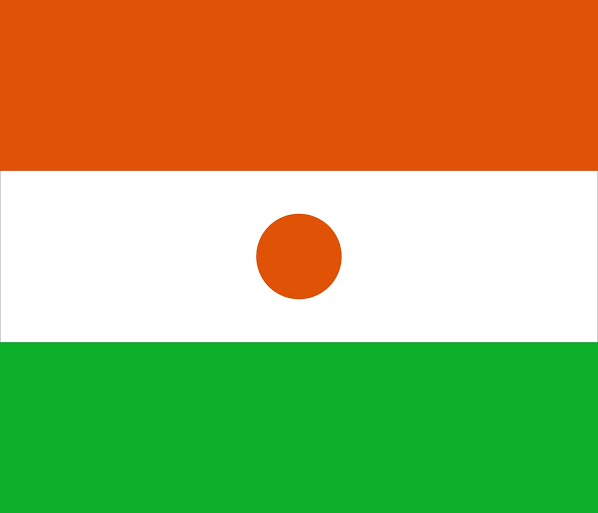
NIGER
Travel Risk Guide
Niger Travel Risk Overview
Introduction
Niger is a landlocked country in West Africa bordered by Algeria, Libya, Chad, Nigeria, Benin, Burkina Faso, and Mali. It is known for its vast Sahara Desert landscapes, the Aïr Mountains, the historic city of Agadez, and the Niger River. Major cities include Niamey, Agadez, Zinder, Maradi, and Tahoua.
In 2026, Niger presents an extremely high travel risk environment, with significant security challenges affecting much of the country. Key risks include terrorism, armed attacks, kidnapping, violent crime, political instability, civil unrest, humanitarian challenges, and limited healthcare and infrastructure.
Country Overview
Capital: Niamey
Key Cities: Niamey, Agadez, Zinder, Maradi, Tahoua
Population: ~29 million
Language: French (official), with Hausa, Zarma, and several local languages widely spoken
Currency: West African CFA Franc (XOF)
Region: West Africa
Niger occupies a strategic position in the Sahel and continues to face complex security and humanitarian challenges, particularly in border regions.
Travel & Entry
Passports
A valid passport is required for entry.
Visas
Most foreign nationals require a visa before arrival.
Entry requirements vary by nationality.
Requirements should be confirmed before departure.
Entry Considerations
Main gateway: Diori Hamani International Airport (Niamey)
Border crossings may be subject to security restrictions or temporary closures.
Security procedures at airports and checkpoints may be extensive.
Travel restrictions can change with little notice.
Local Travel
Road Travel
Road travel carries significant security risks.
Security checkpoints are common.
Some regions are inaccessible due to insecurity.
Night travel should be avoided.
Public Transport
Public transport standards vary considerably.
Long-distance road travel may present security risks.
Pre-arranged private transport is recommended for essential travel.
Domestic transport may be disrupted by security operations.
Air Travel
Domestic air services are limited.
International flights operate primarily through Niamey.
Flight schedules may be affected by operational or security considerations.
Travel Risk Overview
Crime
Niger is an extremely high crime-risk destination.
Armed robbery and violent crime occur.
Kidnapping remains a serious threat, particularly in border regions.
Criminal and extremist groups operate in parts of the country.
Foreign nationals may be specifically targeted.
Security Environment
Security conditions remain highly challenging.
Key points:
Terrorist groups operate in several regions.
Border areas with Mali, Burkina Faso, Nigeria, Libya, and parts of Chad present elevated risks.
Military and security operations are ongoing in some areas.
Security conditions may deteriorate rapidly.
Civil Unrest
Demonstrations and political gatherings may occur with little warning.
Security responses can be significant.
Roadblocks and movement restrictions are possible.
Travellers should avoid all demonstrations.
Infrastructure & Health
Infrastructure varies significantly across the country.
Basic healthcare is available in Niamey.
Medical facilities outside the capital are limited.
Serious illnesses or injuries often require medical evacuation.
Utilities and communications may be unreliable in remote areas.
Key considerations:
Extreme heat and dehydration.
Malaria and other mosquito-borne diseases.
Seasonal flooding during the rainy season.
Sandstorms and dust storms in desert regions.
Limited emergency response capabilities.
Key Considerations
Avoid non-essential travel.
Conduct comprehensive security planning before any essential journey.
Monitor official security developments continuously.
Avoid border regions unless operationally essential.
Take appropriate malaria prevention measures.
Maintain comprehensive travel, medical, and evacuation insurance.
Consider professional security support for business travel.
Is Niger Safe to Travel?
Niger is considered an extremely high-risk travel destination.
Strengths include:
Rich cultural heritage.
Unique Saharan landscapes.
Regional commercial importance.
Historic desert trade routes.
Primary risks include:
Terrorism.
Kidnapping.
Armed attacks.
Political instability.
Limited healthcare.
Poor infrastructure in remote areas.
Humanitarian and security challenges.
Overall, Niger is assessed as an extremely high-risk destination, where only essential travel should be undertaken and only with comprehensive security planning, specialist support, and continuous monitoring.
Access to Real-Time Information
This overview reflects baseline conditions. Real-time monitoring is essential for:
Security and terrorism developments.
Political developments and demonstrations.
Transport disruptions.
Public health advisories.
Weather and flooding alerts.

Travelling to Sierra Leone and need support?
Global Traveller is a global travel assistance membership providing real-time travel risk monitoring, 24/7 operational support and direct access to on-the-ground assistance, designed for individuals and organisations operating in complex environments.