
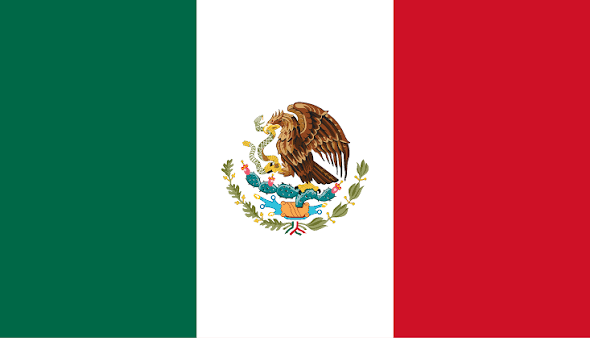
MEXICO
Travel Risk Guide
Mexico Travel Risk Overview
Introduction
Mexico is a North American country bordered by the United States, Guatemala, Belize, the Pacific Ocean, the Gulf of Mexico, and the Caribbean Sea. It is known for its rich cultural heritage, archaeological sites, beaches, diverse landscapes, and strong manufacturing and tourism sectors. Major cities include Mexico City, Guadalajara, Monterrey, Cancún, Mérida, Tijuana, and Puebla.
In 2026, Mexico presents a moderate travel risk environment, with conditions varying considerably by state and municipality. While major tourism destinations and business centres remain accessible, key risks include organized crime, violent crime in some regions, petty theft, road safety concerns, hurricanes, earthquakes, and localized civil unrest.
Country Overview
Capital: Mexico City
Key Cities: Mexico City, Guadalajara, Monterrey, Cancún, Mérida, Tijuana, Puebla
Population: ~132 million
Language: Spanish
Currency: Mexican Peso (MXN)
Region: North America
Mexico is one of the world's leading tourism destinations and Latin America's second-largest economy, serving as a major regional hub for trade, manufacturing, and international business.
Travel & Entry
Passports
A valid passport is required for entry.
Visas
Many nationalities can enter visa-free for tourism or business for short stays.
Others require a visa before arrival.
Entry requirements should be confirmed before departure.
Entry Considerations
Major international gateways include Mexico City International Airport, Cancún International Airport, Guadalajara International Airport, Monterrey International Airport, and Los Cabos International Airport.
Numerous land border crossings connect Mexico with the United States, Guatemala, and Belize.
Immigration and customs procedures are generally efficient.
Customs inspections may be conducted upon arrival.
Local Travel
Road Travel
Extensive highway network connects major cities and tourism destinations.
Toll roads generally offer higher safety and road quality.
Driving standards vary considerably.
Night driving is discouraged in some regions due to security and road safety concerns.
Public Transport
Extensive metro systems operate in Mexico City, Guadalajara, and Monterrey.
Long-distance buses provide excellent nationwide coverage.
Ride-hailing services are widely available in major cities.
Licensed taxis and authorised transport providers are recommended.
Air Travel
Well-developed domestic aviation network.
Frequent flights connect major cities and tourist destinations.
Weather disruptions may occasionally affect schedules, particularly during hurricane season.
Travel Risk Overview
Crime
Mexico is a moderate to high crime-risk destination, with significant regional variation.
Petty theft and pickpocketing occur in tourist areas.
Organized crime affects some states and municipalities.
Armed robbery, vehicle theft, and express kidnapping occur in certain regions.
Most major tourist destinations maintain enhanced security and receive millions of visitors each year without incident.
Security Environment
Security conditions vary significantly across the country.
Key points:
Most major tourist destinations remain accessible.
Crime levels differ substantially between states.
Security operations are visible in many urban centres and tourism areas.
Regional security conditions should be reviewed before travel.
Civil Unrest
Demonstrations occur periodically, particularly in Mexico City.
Most protests remain peaceful.
Temporary road closures and transport disruptions may occur.
Travellers should avoid active demonstration areas.
Infrastructure & Health
Mexico has well-developed infrastructure in most urban and tourism areas.
High-quality private healthcare is available in major cities.
Public healthcare standards vary.
Reliable telecommunications and utilities in most urban centres.
Rural areas may have more limited emergency services.
Key considerations:
Hurricanes affecting both Atlantic and Pacific coasts.
Earthquakes, particularly in central and southern Mexico.
Extreme heat in northern regions.
Road traffic accidents.
Seasonal flooding during heavy rainfall.
Key Considerations
Research destination-specific security conditions before travelling.
Use authorised taxis or reputable ride-hailing services.
Avoid displaying valuables in public.
Prefer toll roads for long-distance travel where practical.
Monitor weather and seismic alerts.
Maintain comprehensive travel and medical insurance.
Is Mexico Safe to Travel?
Mexico is considered a moderate-risk travel destination, with risk levels varying significantly by region.
Strengths include:
World-class tourism infrastructure.
Excellent domestic transport network.
Rich cultural and historical attractions.
Strong business and manufacturing sectors.
High-quality private healthcare in major cities.
Primary risks include:
Organized crime in some regions.
Petty theft and robbery.
Road safety concerns.
Hurricanes and earthquakes.
Localized demonstrations.
Overall, Mexico is assessed as a moderate-risk destination, suitable for tourism and business travel with destination-specific planning, sensible security precautions, and awareness of regional conditions.
Access to Real-Time Information
This overview reflects baseline conditions. Real-time monitoring is recommended for:
Regional security developments.
Hurricane, earthquake, and severe weather alerts.
Transport disruptions.
Demonstration activity.
Public health advisories.

Travelling to Sierra Leone and need support?
Global Traveller is a global travel assistance membership providing real-time travel risk monitoring, 24/7 operational support and direct access to on-the-ground assistance, designed for individuals and organisations operating in complex environments.