
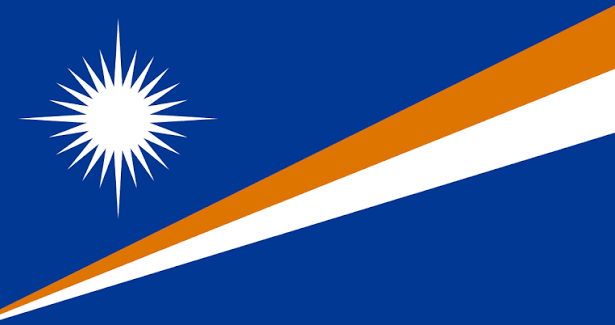
MARSHALL ISLANDS
Travel Risk Guide
Marshall Islands Travel Risk Guide
Introduction
The Marshall Islands is a Pacific island nation comprising 29 coral atolls and five islands spread across a vast area of the central Pacific Ocean. Known for its turquoise lagoons, diving sites, World War II history, and remote island landscapes, the country is a niche destination for eco-tourism, marine activities, and business travel. Major population centres include Majuro, Ebeye, Jaluit, and Wotje.
In 2026, the Marshall Islands presents a low travel risk environment, with a peaceful security situation and generally low levels of crime. The primary risks relate to limited healthcare, transportation disruptions, tropical weather, coastal flooding, marine hazards, and infrastructure constraints associated with remote island travel.
Country Overview
Capital: Majuro
Key Cities/Towns: Majuro, Ebeye, Jaluit, Wotje
Population: ~42,000
Language: Marshallese and English
Currency: United States Dollar (USD)
Region: Oceania
The Marshall Islands is one of the world's most geographically dispersed nations and remains highly vulnerable to climate change, rising sea levels, and coastal erosion.
Travel & Entry
Passports
A valid passport is required for entry.
Visas
Many nationalities may enter visa-free for short tourism or business visits.
Others require a visa before arrival.
Entry requirements should be confirmed before departure.
Entry Considerations
Main gateway: Marshall Islands International Airport (Majuro)
International flights are limited and operate on scheduled regional routes.
Domestic flights and ferries connect outer atolls.
Travel schedules may be affected by weather and operational conditions.
Local Travel
Road Travel
Roads are primarily located on Majuro and Ebeye.
Road conditions are generally adequate but limited in extent.
Traffic volumes are low.
Flooding may temporarily affect some roads during periods of heavy rainfall.
Public Transport
Taxis operate on Majuro.
Public transport options are limited.
Domestic ferries connect many outer islands but operate infrequently.
Private transport is often arranged through hotels or local operators.
Air Travel
Domestic flights connect Majuro with several outer atolls.
International services provide regional connections.
Weather and logistical factors may affect schedules.
Travel Risk Overview
Crime
The Marshall Islands is a low crime-risk destination.
Petty theft occasionally occurs.
Violent crime affecting visitors is uncommon.
Theft of unattended belongings is the most frequently reported issue.
Standard personal security precautions are generally sufficient.
Security Environment
The country maintains a stable security environment.
Key points:
Stable political institutions.
No active internal conflict.
Serious security incidents affecting travellers are rare.
Security concerns are generally limited to routine crime.
Civil Unrest
Demonstrations are uncommon.
Political gatherings rarely affect visitors.
Major disruptions are rare.
Localized delays may occasionally occur.
Infrastructure & Health
Infrastructure is limited compared with larger Pacific nations.
Basic healthcare services are available in Majuro.
Medical facilities on outer atolls are very limited.
Specialist treatment generally requires medical evacuation abroad.
Telecommunications are available but may be less reliable outside the capital.
Key considerations:
Tropical storms and periods of heavy rainfall.
Coastal flooding and sea-level impacts.
Marine hazards, including strong currents.
Heat-related illness and dehydration.
Limited emergency response capabilities outside Majuro.
Key Considerations
Plan travel well in advance due to limited transport schedules.
Carry sufficient prescription medications and essential supplies.
Monitor weather and marine forecasts before travelling between islands.
Exercise caution when swimming, diving, or boating.
Maintain comprehensive travel and medical insurance, including medical evacuation cover.
Is the Marshall Islands Safe to Travel?
The Marshall Islands is considered a low-risk travel destination.
Strengths include:
Peaceful political environment.
Low levels of serious crime.
Outstanding diving and marine tourism.
Friendly local communities.
Unique cultural and historical attractions.
Primary risks include:
Limited healthcare.
Transport disruptions.
Coastal flooding and climate-related impacts.
Infrastructure constraints.
Marine hazards.
Overall, the Marshall Islands is assessed as a low-risk destination, suitable for tourism, research, and business travel with careful planning, flexibility, and awareness of environmental conditions.
Access to Real-Time Information
This Marshall Islands Travel Risk Guide reflects baseline conditions. Real-time monitoring is recommended for:
Tropical weather and marine forecasts.
Flight and ferry schedules.
Coastal flooding advisories.
Public health information.
Infrastructure and utility updates.

Travelling to Marshall Islands? Access 24/7 Travel Assistance
Global Traveller provides real-time travel risk alerts, 24/7 travel assistance and practical support before, during and after your journey. Travellers can access destination information, two-way communications, incident support and assistance coordinating appropriate local medical, security or transport providers when required.
Available to individual travellers and organisations supporting internationally mobile employees.