
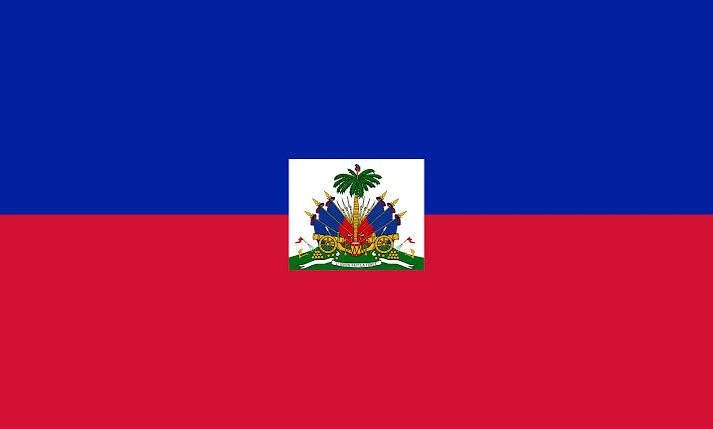
HAITI
Travel Risk Guide
Haiti Travel Risk Overview
Introduction
Haiti occupies the western third of the island of Hispaniola in the Caribbean, sharing a land border with the Dominican Republic. It is known for its rich cultural heritage, vibrant arts, mountainous landscapes, and historical significance as the first independent Black republic. Key cities include Port-au-Prince, Cap-Haïtien, Les Cayes, Gonaïves, and Jacmel.
In 2026, Haiti presents an extremely high travel risk environment, with widespread security challenges affecting much of the country. Key risks include armed gang violence, kidnapping, violent crime, civil unrest, roadblocks, political instability, natural disasters, and severely limited healthcare and emergency services.
Country Overview
Capital: Port-au-Prince
Key Cities: Port-au-Prince, Cap-Haïtien, Les Cayes, Gonaïves, Jacmel
Population: ~12 million
Language: Haitian Creole and French
Currency: Haitian Gourde (HTG)
Region: Caribbean
Haiti continues to face significant political, economic, humanitarian, and security challenges that affect daily life and travel across much of the country.
Travel & Entry
Passports
A valid passport is required for entry.
Visas
Many nationalities may enter visa-free for short stays, while others require a visa before arrival.
Entry requirements should be confirmed before departure, as procedures may change.
Additional documentation may be requested depending on the purpose of travel.
Entry Considerations
Main gateway: Toussaint Louverture International Airport (Port-au-Prince)
Airport operations and commercial flights may be disrupted due to the security situation
Border crossings with the Dominican Republic may be subject to changing operating conditions
Consular assistance may be limited depending on the security environment
Local Travel
Road Travel
Road travel presents significant security risks
Armed roadblocks and gang-controlled areas may affect major routes
Road conditions vary and are often poor outside major urban areas
Non-essential road travel should be avoided, particularly after dark
Public Transport
Public transportation is limited and generally not recommended for international travellers
Service reliability and safety are poor
Private transportation with trusted local providers is strongly recommended
Travel plans may need to change at short notice due to security developments
Air Travel
Domestic aviation services are limited
Flight schedules may change because of operational or security conditions
Airport access may be affected by local security developments
Travel Risk Overview
Crime
Haiti is an extremely high crime-risk destination.
Armed gang activity affects many parts of the country
Kidnapping for ransom remains a serious threat
Armed robbery, carjacking, and violent crime are widespread
Foreign nationals may be specifically targeted
Security Environment
Security concerns are the primary travel risk.
Key points:
Armed gangs control or influence parts of major urban areas
Security conditions can deteriorate rapidly
Armed clashes may disrupt transport and public services
Access to some areas may become impossible without warning
Civil Unrest
Demonstrations and political protests occur frequently
Roadblocks can significantly disrupt movement
Public gatherings may become violent with little warning
Essential services may be interrupted during periods of unrest
Infrastructure & Health
Infrastructure has been significantly affected by the ongoing security and humanitarian situation.
Healthcare facilities operate with limited capacity
Access to medicines and medical supplies may be restricted
Utilities and telecommunications can be unreliable
Emergency response capabilities are severely constrained
Key considerations:
Hurricanes and tropical storms
Earthquakes
Flooding and landslides
Medical evacuation may be difficult or unavailable depending on security conditions
Key Considerations
Avoid all non-essential travel
Conduct a comprehensive security assessment before any essential travel
Develop detailed contingency and evacuation plans
Coordinate closely with trusted local partners and security providers
Monitor security developments continuously
Ensure specialist medical, security, and evacuation support arrangements
Is Haiti Safe to Travel?
Haiti is considered an extremely high-risk travel destination.
Strengths include:
Rich cultural and historical heritage
Unique artistic traditions
Important regional significance
Primary risks include:
Armed gang violence
Kidnapping
Violent crime
Political instability and civil unrest
Poor infrastructure
Severely limited healthcare and emergency services
Natural disasters
Overall, Haiti is assessed as an extremely high-risk destination, where only essential travel should be considered and only with extensive security planning, specialist support, and continuous monitoring.
Access to Real-Time Information
This overview reflects baseline conditions. Real-time monitoring is essential for:
Security and gang-related incidents
Political developments and demonstrations
Airport and transport disruptions
Hurricane and earthquake alerts
Humanitarian and public health advisories

Travelling to Sierra Leone and need support?
Global Traveller is a global travel assistance membership providing real-time travel risk monitoring, 24/7 operational support and direct access to on-the-ground assistance, designed for individuals and organisations operating in complex environments.