
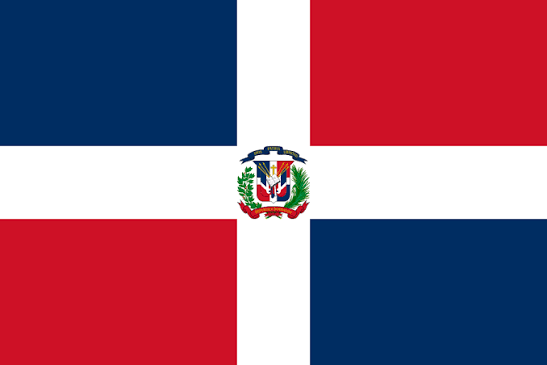
DOMINICAN REPUBLIC
Travel Risk Guide
Dominican Republic Travel Risk Overview
Introduction
The Dominican Republic occupies the eastern two-thirds of the island of Hispaniola in the Caribbean, sharing a land border with Haiti. It is one of the region's most popular tourism destinations, known for its beaches, mountain ranges, colonial heritage, and luxury resorts. Major cities include Santo Domingo, Santiago de los Caballeros, Punta Cana, Puerto Plata, La Romana, and San Pedro de Macorís.
In 2026, the Dominican Republic presents a low to moderate travel risk environment, with well-developed tourism infrastructure and generally stable conditions. Key risks include petty crime, violent crime in some urban areas, road safety concerns, hurricanes, flooding, and occasional public demonstrations.
Country Overview
Capital: Santo Domingo
Key Cities: Santo Domingo, Santiago de los Caballeros, Punta Cana, Puerto Plata, La Romana, San Pedro de Macorís
Population: ~11.5 million
Language: Spanish
Currency: Dominican Peso (DOP)
Region: Caribbean
The Dominican Republic has one of the Caribbean's largest economies and is a leading destination for tourism, business, and international investment.
Travel & Entry
Passports
A valid passport is required for entry.
Visas
Many nationalities may enter visa-free for short tourism or business visits.
Others require a visa before arrival.
An electronic entry and exit form may be required.
Entry requirements should be confirmed before departure.
Entry Considerations
Main gateways: Las Américas International Airport (Santo Domingo), Punta Cana International Airport, Cibao International Airport (Santiago), and Puerto Plata International Airport
Excellent international flight connectivity
Major cruise ports receive regular international arrivals
Immigration procedures are generally efficient
Local Travel
Road Travel
Extensive highway network links major cities and tourism destinations
Driving standards can be inconsistent
Road traffic accidents are common
Night driving requires additional caution
Public Transport
Buses provide reliable intercity travel
Licensed taxis and ride-hailing services are widely available
Tourist shuttle services connect major resorts
Public minibuses operate throughout urban areas
Air Travel
Domestic aviation is limited due to the country's size
International airports provide extensive regional and global connections
Charter services support tourism
Travel Risk Overview
Crime
The Dominican Republic is a low to moderate crime-risk destination.
Petty theft and opportunistic crime occur in tourist areas
Robbery and theft from vehicles have been reported
Violent crime is generally concentrated in certain urban neighbourhoods and rarely affects resort areas
Visitors should remain vigilant, particularly in busy public places and after dark
Security Environment
The country maintains a generally stable security environment.
Key points:
Stable democratic institutions
Strong police presence in tourism zones
No active internal armed conflict
Most tourism destinations operate without significant security concerns
Civil Unrest
Demonstrations occasionally occur, mainly in Santo Domingo
Most protests remain peaceful
Localized transport disruptions may occur
Travellers should avoid active demonstration areas
Infrastructure & Health
Infrastructure is well developed in tourism areas.
Good private healthcare facilities available in Santo Domingo, Santiago, and Punta Cana
Medical services become more limited in rural regions
Reliable telecommunications and utilities in major cities and resort areas
Strong emergency response capabilities in tourism centres
Key considerations:
Atlantic hurricane season (June to November)
Tropical storms and flooding
Heat-related illness and dehydration
Mosquito-borne diseases in some areas
Key Considerations
Protect valuables in tourist areas and public spaces
Use licensed taxis or reputable ride-hailing services
Exercise caution when driving, particularly after dark
Monitor weather forecasts during hurricane season
Take precautions against mosquito-borne illnesses where advised
Maintain comprehensive travel and medical insurance
Is the Dominican Republic Safe to Travel?
The Dominican Republic is considered a low to moderate-risk travel destination.
Strengths include:
Well-developed tourism infrastructure
Strong international connectivity
Modern resort facilities
Stable political environment
High-quality private healthcare in major cities
Primary risks include:
Petty crime
Localized violent crime in some urban areas
Road traffic accidents
Hurricanes and tropical storms
Flooding and mosquito-borne diseases
Overall, the Dominican Republic is assessed as a low to moderate-risk destination, suitable for tourism, business travel, and long-term stays with standard precautions and awareness of seasonal weather conditions.
Access to Real-Time Information
This overview reflects baseline conditions. Real-time monitoring is recommended for:
Hurricane and tropical storm alerts
Transport disruptions
Public health advisories
Local security developments
Marine and coastal weather conditions

Travelling to Sierra Leone and need support?
Global Traveller is a global travel assistance membership providing real-time travel risk monitoring, 24/7 operational support and direct access to on-the-ground assistance, designed for individuals and organisations operating in complex environments.