
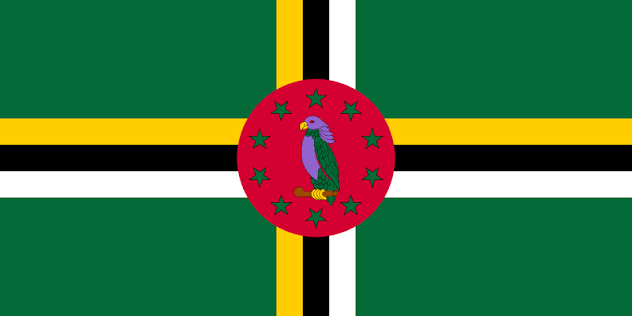
DOMINICA
Travel Risk Guide
Dominica Travel Risk Overview
Introduction
Dominica is an island nation in the eastern Caribbean, situated between Guadeloupe and Martinique. Known as the "Nature Island of the Caribbean," it is renowned for its lush rainforests, volcanic landscapes, waterfalls, hot springs, diving, and eco-tourism. Key population centres include Roseau, Portsmouth, Marigot, and Mahaut.
In 2026, Dominica presents a low travel risk environment, with stable political conditions, low levels of crime, and a well-established eco-tourism sector. Key risks include tropical storms, hurricanes, flooding, landslides, marine hazards, and limited specialist healthcare.
Country Overview
Capital: Roseau
Key Cities/Towns: Roseau, Portsmouth, Marigot, Mahaut
Population: ~70,000
Language: English
Currency: East Caribbean Dollar (XCD)
Region: Caribbean
Dominica is internationally recognised for its protected natural environment, hiking trails, volcanic features, and sustainable tourism.
Travel & Entry
Passports
A valid passport is required for entry.
Visas
Many nationalities may enter visa-free for short tourism or business stays.
Others require a visa before arrival.
Entry requirements should be confirmed before departure.
Entry Considerations
Main gateways: Douglas-Charles Airport and Canefield Airport
Ferry services connect Dominica with neighbouring Caribbean islands
Regional and international flights operate regularly
Immigration procedures are generally straightforward
Local Travel
Road Travel
Roads connect most towns and tourist attractions
Mountain roads are narrow, winding, and can become hazardous during heavy rainfall
Landslides may occur during the rainy season
Night driving requires additional caution
Public Transport
Minibuses operate across the island
Licensed taxis are widely available
Rental vehicles are commonly used by visitors
Ferry services support regional travel
Air Travel
Domestic aviation is limited
Regional air services provide connections throughout the Caribbean
Weather conditions may occasionally affect flight schedules
Travel Risk Overview
Crime
Dominica is a low crime-risk destination.
Petty theft and opportunistic crime occasionally occur
Theft from vehicles and unattended belongings has been reported
Violent crime affecting visitors is uncommon
Standard security precautions are generally sufficient
Security Environment
Dominica enjoys a stable security environment.
Key points:
Stable democratic institutions
No active internal conflict
Effective police presence in populated areas
Serious security incidents affecting visitors are rare
Civil Unrest
Demonstrations are uncommon
Political gatherings rarely affect travellers
Major public disruptions are rare
Localized traffic delays may occasionally occur
Infrastructure & Health
Infrastructure continues to improve but remains limited outside major towns.
Basic healthcare services are available nationwide
More advanced medical treatment may require evacuation to neighbouring islands
Reliable telecommunications in most populated areas
Emergency response capabilities are limited in remote regions
Key considerations:
Atlantic hurricane season (June to November)
Tropical storms, flooding, and landslides
Strong currents and rough seas
Heat-related illness and dehydration
Key Considerations
Monitor weather forecasts during hurricane season
Exercise caution when hiking in remote or mountainous areas
Follow local guidance for water activities and marine conditions
Use licensed transportation providers
Maintain comprehensive travel and medical insurance, including medical evacuation cover
Is Dominica Safe to Travel?
Dominica is considered a low-risk travel destination.
Strengths include:
Stable political environment
Low levels of serious crime
Excellent eco-tourism opportunities
Friendly local communities
Well-developed adventure tourism sector
Primary risks include:
Hurricanes and tropical storms
Flooding and landslides
Marine hazards
Road safety on mountainous routes
Limited specialist healthcare
Overall, Dominica is assessed as a low-risk destination, suitable for tourism, eco-tourism, and business travel with normal precautions and seasonal weather awareness.
Access to Real-Time Information
This overview reflects baseline conditions. Real-time monitoring is recommended for:
Hurricane and severe weather alerts
Flooding and landslide warnings
Marine and coastal conditions
Transport disruptions
Public health advisories

Travelling to Sierra Leone and need support?
Global Traveller is a global travel assistance membership providing real-time travel risk monitoring, 24/7 operational support and direct access to on-the-ground assistance, designed for individuals and organisations operating in complex environments.