
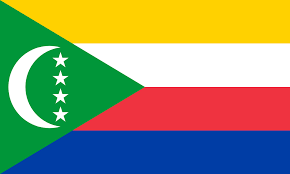
COMOROS
Travel Risk Overview
Comoros Travel Risk Overview
Introduction
Comoros is an island nation in the Indian Ocean located between Mozambique and Madagascar. The country consists of three main islands: Grande Comore (Ngazidja), Anjouan (Nzwani), and Mohéli (Mwali). It is known for its volcanic landscapes, marine biodiversity, and cultural influences from Africa, the Arab world, and France.
In 2026, Comoros presents a low to moderate travel risk environment, with generally peaceful conditions but notable challenges related to limited infrastructure, healthcare capacity, transport reliability, and exposure to natural hazards.
Country Overview
Capital: Moroni
Key Areas: Moroni, Mutsamudu, Fomboni
Population: ~900,000
Language: Comorian, French, Arabic
Currency: Comorian Franc (KMF)
Region: East Africa / Indian Ocean
Comoros is one of Africa's smallest countries and remains heavily dependent on agriculture, fishing, and remittances.
Travel & Entry
Passports
A valid passport is required for entry.
Visas
Visa-on-arrival is available for many nationalities
Entry requirements are generally straightforward
Proof of onward travel may be requested
Entry Considerations
Main gateway: Prince Said Ibrahim International Airport (Moroni)
Limited international flight connectivity
Travel between islands is common
Weather conditions may affect transport schedules
Local Travel
Road Travel
Road infrastructure is limited but generally functional
Conditions vary significantly between islands
Rural roads may be poorly maintained
Night driving is generally discouraged
Public Transport
Shared taxis and minibuses are widely used
Transport standards vary
Inter-island travel relies on ferries and small aircraft
Delays are relatively common
Air Travel
Domestic flights connect the main islands
Operational reliability can vary
Weather may disrupt services
Travel Risk Overview
Crime
Comoros is a low crime-risk destination.
Petty theft can occur in urban areas
Violent crime affecting visitors is relatively uncommon
Opportunistic crime remains the primary concern
Standard precautions are generally sufficient
Security Environment
Comoros is generally stable.
Key points:
No active internal conflict
Security incidents are relatively uncommon
Political tensions occasionally arise but are usually localized
Tourism-related security risks are generally low
Civil Unrest
Demonstrations may occasionally occur
Political disputes can lead to localized disruptions
Most events remain limited in scope
Travellers should avoid gathering points
Infrastructure & Health
Infrastructure remains limited:
Healthcare services are basic
Advanced medical treatment options are very limited
Utilities can be inconsistent
Emergency response capacity is constrained
Key considerations:
Medical evacuation may be required for serious conditions
Cyclones and tropical storms can affect the islands
Limited specialist healthcare availability
Maritime safety should be considered during ferry travel
Key Considerations
Maintain comprehensive travel and medical insurance
Plan for potential transport delays
Exercise caution during inter-island ferry travel
Carry sufficient cash outside major centres
Monitor weather conditions during cyclone season
Is Comoros Safe to Travel?
Comoros is considered a generally manageable destination with infrastructure-related challenges.
Strengths include:
Relatively low crime levels
Peaceful island environment
Unique cultural and natural attractions
Limited serious security threats
Primary risks include:
Limited healthcare infrastructure
Transport reliability issues
Natural hazards such as cyclones
Limited emergency response capabilities
Overall, Comoros is assessed as a low to moderate-risk travel destination, suitable for travellers who plan carefully and understand the logistical limitations.
Access to Real-Time Information
This overview reflects baseline conditions. Real-time monitoring is recommended for:
Cyclone and severe weather alerts
Ferry and domestic flight schedules
Health advisories
Political developments
Airport and port operational updates

Travelling and need additional support?
Global Traveller provides real-time travel risk monitoring, 24/7 operational support and direct access to on-the-ground assistance, designed for individuals and organisations operating in complex environments.