
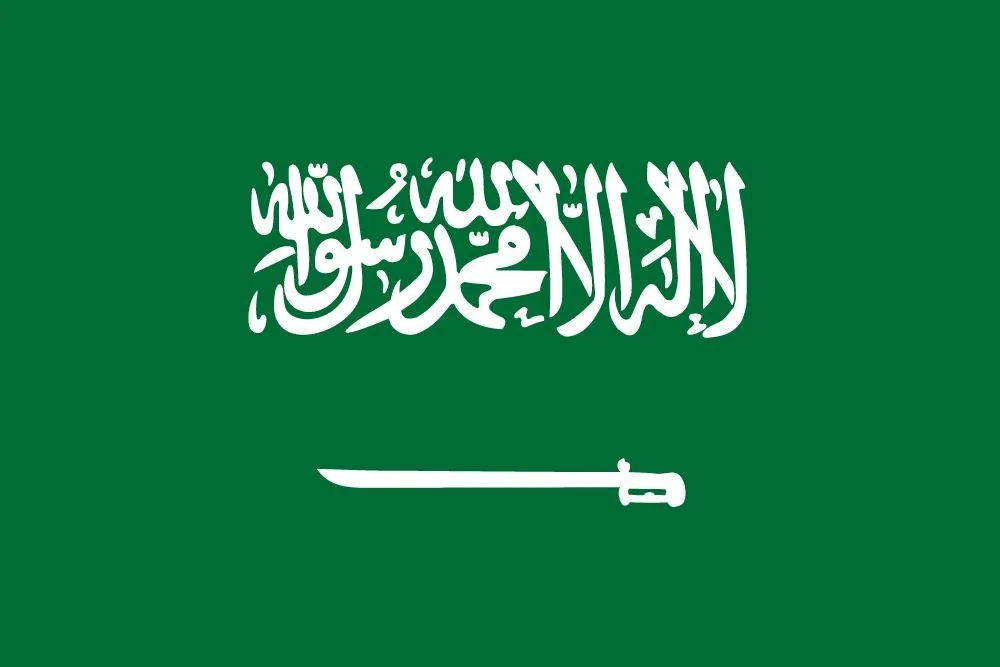
SAUDI ARABIA
Travel Risk Overview
Saudi Arabia Travel Risk Overview
Introduction
Saudi Arabia is a major regional power with significant political, economic, and strategic influence across the Middle East. The country has undergone substantial development in recent years, with increased access for international business and tourism supported by large-scale infrastructure investment. Travel within Saudi Arabia is generally well structured, particularly between major urban centres such as Riyadh, Jeddah, and Dammam. However, regulatory frameworks, cultural norms, and environmental conditions differ from Western environments and may affect travel and operational planning.
Country Overview
Capital: Riyadh
Key Cities: Riyadh, Jeddah, Dammam, Mecca, Medina
Population: Approximately 36 million
Language: Arabic (English widely used in business environments)
Currency: Saudi Riyal (SAR)
Population distribution is concentrated in major urban centres, with Riyadh serving as the administrative capital and Jeddah acting as a key commercial and logistics hub. Large areas of the country consist of sparsely populated desert terrain.
Travel & Entry
Passports - Most travellers require a passport valid for at least six months from the date of arrival. Additional validity requirements may apply depending on visa type and nationality.
Visas - Saudi Arabia operates multiple visa categories depending on the purpose of travel.
Tourist e-visas are available for many nationalities
Business visas typically require sponsorship from a Saudi entity
Work visas are subject to formal approval and documentation processes
Visa duration, permitted activities, and entry conditions vary and should be confirmed prior to travel.
Entry Considerations
Entry procedures are generally standardised at major international airports. However:
Documentation must align with the declared purpose of travel
Entry conditions may vary depending on visa category
Religious travel to Mecca and Medina is subject to specific access requirements
Screening procedures may be applied on arrival, and compliance with local regulations is required.
Local Travel
Overview
Saudi Arabia has a modern transport infrastructure network connecting major cities and regions. Travel between cities is commonly conducted by air or via major highways. Key international gateways include:
King Khalid International Airport (Riyadh)
King Abdulaziz International Airport (Jeddah)
King Fahd International Airport (Dammam)
Air Travel
Air travel is widely used due to the geographic scale of the country.
Airports operate to international standards
Domestic routes connect major urban centres
National and regional carriers provide extensive coverage
Ground transport from airports is typically available via taxis, private transfers, and ride-hailing services.
Road Travel
Traffic moves on the right-hand side. Road infrastructure is generally of a high standard, particularly on major highways connecting key cities.
Typical speed limits:
Urban areas: 50–80 km/h
Highways: up to 120 km/h
Driving behaviour may vary, particularly in urban environments, and road traffic incidents are relatively common. Long-distance travel may involve extended journeys across remote or desert areas.
Public Transport
Public transport availability varies by location:
Metro systems: Available in some major cities
Buses: Operate in urban areas but are less commonly used by visitors
Taxis and ride-hailing: Widely available
Vehicle hire: Available through international and local providers
Most visitors rely on taxis, private drivers, or rental vehicles.
Travel Risk Overview
Crime
Crime levels are generally low, supported by strict enforcement of laws and regulations.
Petty crime is uncommon but may occur in busy areas
Serious crime affecting travellers is relatively rare
Terrorism
Saudi Arabia maintains a structured internal security environment. While the overall risk is low, regional dynamics contribute to a persistent underlying threat. Security measures are visible at key locations, including transport hubs and government facilities.
Civil Unrest
Public demonstrations are uncommon due to regulatory restrictions. The internal environment is generally controlled, with limited public protest activity.
Infrastructure & Health
Infrastructure standards are high in major cities.
Healthcare facilities are modern and widely available in urban areas
Access to services may be more limited in remote regions
Environmental conditions, particularly high temperatures, may impact travel
Key Considerations
Cultural norms are conservative and influence behaviour and dress
Legal frameworks differ from Western systems
Environmental conditions may affect travel and movement
Conditions and requirements may vary and should be assessed prior to travel.
Is Saudi Arabia Safe to Travel?
Saudi Arabia is generally stable, with modern infrastructure and a structured internal security environment. However, regulatory, cultural, and environmental factors should be considered.
Access to Real-Time Information
This overview provides a general baseline of travel risk conditions in Saudi Arabia. For real-time alerts, incident updates, and active monitoring, access is available through Global Traveller membership.

Travelling and need additional support?
Global Traveller provides real-time travel risk monitoring, 24/7 operational support and direct access to on-the-ground assistance, designed for individuals and organisations operating in complex environments.