
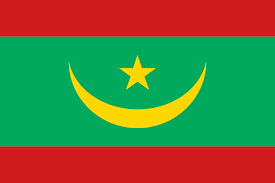
MAURITANIA
Travel Risk Overview
Mauritania Travel Risk Overview
Introduction
Mauritania is a large country in Northwest Africa bordered by Western Sahara, Algeria, Mali, and Senegal, with a coastline along the Atlantic Ocean. It is known for its vast Sahara Desert landscapes, iron ore industry, historic caravan towns, and strategic location linking North Africa and West Africa. Key cities include Nouakchott, Nouadhibou, Kiffa, Rosso, and Atar.
In 2026, Mauritania presents a moderate travel risk environment, with generally stable conditions in major urban centres and key transport corridors. Key risks include crime, terrorism concerns in remote areas, road safety challenges, extreme climate conditions, and limited healthcare infrastructure.
Country Overview
Capital: Nouakchott
Key Cities: Nouakchott, Nouadhibou, Kiffa, Rosso, Atar
Population: ~5.3 million
Language: Arabic (French widely used)
Currency: Mauritanian Ouguiya (MRU)
Region: West Africa / Sahel / North Africa
Mauritania serves as an important link between the Maghreb and West Africa and has significant mining and fishing industries.
Travel & Entry
Passports
A valid passport is required for entry.
Visas
Many travellers can obtain an e-Visa or visa on arrival
Entry requirements vary by nationality
Passport validity requirements should be checked before travel
Entry Considerations
Main gateway: Nouakchott–Oumtounsy International Airport
International connectivity primarily centred on Nouakchott
Land border crossings may involve additional security procedures
Travellers should carry identification documents at all times
Local Travel
Road Travel
Main highways connecting major cities are generally serviceable
Desert travel requires careful preparation
Long distances between populated areas are common
Night driving is discouraged
Public Transport
Shared taxis and buses operate between major towns
Service quality varies considerably
Private transport is often preferred for long-distance journeys
Travel times can be affected by weather and road conditions
Air Travel
Domestic flights connect some major regions
Air travel can reduce long overland journey times
Weather and operational factors may affect schedules
Travel Risk Overview
Crime
Mauritania is a low to moderate crime-risk destination.
Petty theft and opportunistic crime occur in urban centres
Robbery incidents can occur, particularly after dark
Crime levels are generally lower than in many regional capitals
Standard precautions are recommended
Security Environment
Security conditions are generally stable but require monitoring.
Key points:
Major cities and transport routes are generally accessible
Remote desert and border regions may present elevated security concerns
Terrorism remains a regional threat in parts of the Sahel
Security forces maintain a visible presence throughout the country
Civil Unrest
Demonstrations occasionally occur in urban areas
Political gatherings may affect traffic and public services
Most events remain localized
Travellers should avoid active protest locations
Infrastructure & Health
Infrastructure remains limited outside major centres:
Healthcare facilities available in Nouakchott
Specialist medical treatment options are limited
Utilities generally reliable in major cities
Emergency response capacity is restricted in remote regions
Key considerations:
Extreme heat and dehydration risks
Sandstorms and reduced visibility
Limited advanced healthcare
Medical evacuation insurance is strongly recommended
Key Considerations
Carry sufficient water and supplies during long-distance travel
Exercise caution when travelling in remote desert areas
Monitor security developments in border regions
Use trusted transportation providers
Maintain comprehensive travel and medical insurance
Is Mauritania Safe to Travel?
Mauritania is considered a moderate-risk travel destination.
Strengths include:
Stable conditions in major cities
Unique desert and cultural tourism opportunities
Strategic regional location
Growing transport infrastructure
Primary risks include:
Remote-area security concerns
Extreme climate conditions
Road safety challenges
Limited healthcare infrastructure
Overall, Mauritania is assessed as a moderate-risk destination, suitable for business and leisure travel with sensible precautions and careful planning for remote travel.
Access to Real-Time Information
This overview reflects baseline conditions. Real-time monitoring is recommended for:
Security developments in border regions
Weather and sandstorm alerts
Road and transport disruptions
Public health advisories
Demonstration activity

Travelling and need additional support?
Global Traveller provides real-time travel risk monitoring, 24/7 operational support and direct access to on-the-ground assistance, designed for individuals and organisations operating in complex environments.