
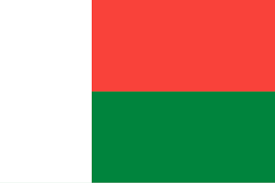
MADAGASCAR
Travel Risk Overview
Madagascar Travel Risk Overview
Introduction
Madagascar is the world’s fourth-largest island, located in the Indian Ocean off the southeastern coast of Africa. It is renowned for its unique biodiversity, national parks, beaches, rainforests, and endemic wildlife, including lemurs found nowhere else on Earth. Key cities include Antananarivo, Toamasina, Antsirabe, Mahajanga, and Toliara.
In 2026, Madagascar presents a moderate travel risk environment, with most tourism and business destinations remaining accessible. Key risks include crime, road safety challenges, cyclones, flooding, healthcare limitations, and infrastructure constraints outside major urban centres.
Country Overview
Capital: Antananarivo
Key Cities: Antananarivo, Toamasina, Antsirabe, Mahajanga, Toliara
Population: ~33 million
Language: Malagasy and French
Currency: Malagasy Ariary (MGA)
Region: East Africa / Indian Ocean
Madagascar is one of the world's most important biodiversity hotspots and a major eco-tourism destination.
Travel & Entry
Passports
A valid passport is required for entry.
Visas
Many nationalities can obtain a visa on arrival or e-visa
Entry requirements vary depending on nationality
Passport validity requirements should be checked before travel
Entry Considerations
Main gateway: Ivato International Airport (Antananarivo)
Additional international access through Nosy Be and other regional airports
Immigration procedures are generally straightforward
Seasonal weather can affect travel schedules
Local Travel
Road Travel
Road infrastructure varies significantly
Major highways connect principal cities
Many rural roads are in poor condition
Travel times can be considerably longer than expected
Night driving is generally discouraged
Public Transport
Shared taxis ("taxi-brousse") widely used for intercity travel
Service quality and safety standards vary
Private vehicles are often preferred by visitors
Delays are common on longer routes
Air Travel
Domestic aviation is important due to the island's size
Flights connect major tourism and business destinations
Weather conditions may occasionally affect schedules
Travel Risk Overview
Crime
Madagascar is a moderate crime-risk destination.
Petty theft and pickpocketing occur in urban and tourist areas
Robbery incidents can occur, particularly after dark
Theft from vehicles is reported in some locations
Visitors should maintain strong situational awareness
Security Environment
Madagascar is generally stable.
Key points:
No active internal armed conflict
Security conditions are stable in most tourist regions
Localized criminal activity is the primary security concern
Government institutions maintain effective control
Civil Unrest
Demonstrations and political gatherings occasionally occur
Localized disruptions to transport and services are possible
Most events remain limited in scope
Travellers should avoid active protest areas
Infrastructure & Health
Infrastructure remains limited outside major cities:
Healthcare facilities are concentrated in Antananarivo
Advanced medical treatment options are limited
Utilities may be unreliable in some regions
Emergency response capacity varies considerably
Key considerations:
Cyclones during the rainy season
Flooding and landslides
Limited specialist healthcare
Medical evacuation insurance is strongly recommended
Malaria risk exists in many parts of the country
Key Considerations
Avoid unnecessary travel after dark
Use trusted transportation providers
Monitor cyclone and weather forecasts closely
Take appropriate malaria prevention measures
Maintain comprehensive travel and medical insurance
Is Madagascar Safe to Travel?
Madagascar is considered a moderate-risk travel destination.
Strengths include:
Unique biodiversity and eco-tourism opportunities
Stable overall security environment
Diverse natural attractions
Growing tourism infrastructure
Primary risks include:
Crime in urban areas
Road safety concerns
Cyclones and severe weather
Limited healthcare infrastructure
Overall, Madagascar is assessed as a moderate-risk destination, suitable for tourism and business travel with sensible precautions and proper logistical planning.
Access to Real-Time Information
This overview reflects baseline conditions. Real-time monitoring is recommended for:
Cyclone and severe weather alerts
Road and transport disruptions
Public health advisories
Demonstration activity
Domestic flight schedules

Travelling and need additional support?
Global Traveller provides real-time travel risk monitoring, 24/7 operational support and direct access to on-the-ground assistance, designed for individuals and organisations operating in complex environments.